April 3, 2026
The beauty industry is a dynamic field brimming with opportunities for those with a passion for aesthetics. Attending a beauty school is one of the most impactful paths to hone the necessary skills. Through education and hands-on experience, aspiring beauty professionals transform their interests into careers.
The demand for skilled beauty professionals is high, as evidenced by the vast opportunities in hair styling, skincare, and more. Beauty schools offer structured programs that equip students with foundational and advanced techniques crucial for success. Moreover, these institutions foster an environment where creativity and innovation thrive.
For those considering a career in beauty, attending a school dedicated to the craft can provide numerous professional advantages. From comprehensive skill development to networking opportunities, the benefits are numerous. As the industry continues to grow, beauty schools play a crucial role in preparing a competent workforce.
1. Comprehensive Skill Development
A. Hair Styling Techniques
Hair styling forms the cornerstone of cosmetology, with beauty schools dedicating ample time to this craft. Students learn a variety of techniques, from cutting and coloring to advanced styling. These skills are essential for creating desired looks and satisfying client needs. Educational programs focus on current trends, ensuring that students remain competitive in the market. By mastering these techniques, students lay a strong foundation for a successful beauty career.
B. Skincare and Esthetic Treatments
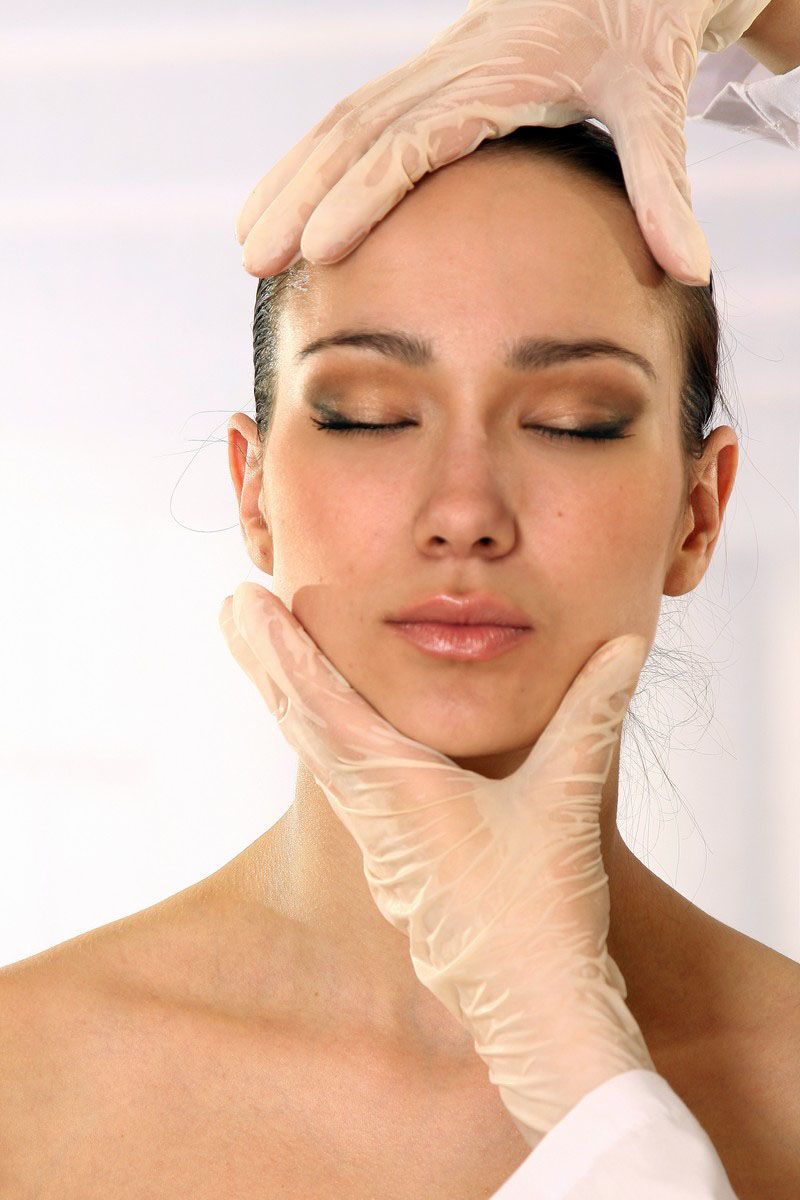
Beauty schools prioritize skincare education due to its growing popularity. Students gain knowledge on various treatments, such as facials and exfoliation. Schools incorporate comprehensive modules on identifying skin types and recommending appropriate treatments. With increasing consumer awareness, experts in skincare are in demand. This focus becomes a compelling reason for pursuing beauty education.
C. Advanced Makeup Application
Makeup artistry is another core component of beauty school training. Students receive instruction in applying makeup for different skin tones and occasions. Learning advanced techniques, such as airbrush and theatrical makeup, distinguishes professionals in the industry. These schools provide the resources for students to experiment and perfect their craft. Mastery in makeup application can significantly expand career prospects in various sectors.
D. Nail Art and Manicuring
With nail art's rise in popularity, beauty schools integrate comprehensive modules on manicuring. Students explore various materials and techniques, from gel polish to intricate designs. Understanding sanitation procedures is also a critical aspect of training. Creativity flourishes as students experiment with different styles and colors. Proficiency in nail art offers an additional career avenue for graduates.
E. Men’s Grooming Techniques
Men's grooming continues to gain traction in the beauty industry. Training at beauty schools expands to include haircuts, beard styling, and skincare for male clients. Recognizing the nuances in men's grooming prepares students to enter a broader market. This diversification enhances employability and attracts a larger clientele. Beauty schools play a vital role in meeting these evolving industry demands.
2. Hands-On Experience
A. Real-World Client Interactions
The structured environment of beauty schools includes hands-on experience with real clients. This practical application allows students to refine their skills and build confidence. Direct interaction with clients helps students to understand service expectations and professionalism. Experiences gained from supervised sessions are invaluable in preparing for the job market. Such engagement often leads to better customer service skills and client retention.
B. Access to Latest Tools and Equipment
Beauty schools maintain updated facilities to resemble professional salons. Students practice with the latest tools and equipment, essential for staying competitive. Exposure to state-of-the-art technology prepares them for a seamless transition into the workforce. Familiarity with high-quality tools also enhances student competencies, allowing for more polished services. This aspect of training equips students to meet the demands of modern salon environments.
C. Instructor-Led Practical Sessions
Guided sessions with experienced instructors are a keystone of beauty school education. In these settings, students receive personalized feedback and tailored instruction. This interaction can significantly improve techniques and comprehension of complex skills. Instructors mentor students through detailed demonstrations and hands-on practices. Such rigorous training ensures a high level of competence upon graduation.
D. Participating in Competitions
Beauty schools often encourage participation in industry competitions, providing a platform for showcasing talent.
These events allow students to challenge their skills and gain recognition. Competing fosters a spirit of creativity and innovation, essential qualities for success in cosmetology. Exposure to competitive environments also enhances problem-solving and adaptability. Accolades won in competitions increase a student's credibility and marketability.
E. Portfolio Building Opportunities
Developing a portfolio is crucial for a beauty professional's career growth. Schools guide students in creating portfolios through projects and hands-on sessions. This comprehensive collection of work showcases skills and achievements to potential employers. A well-curated portfolio becomes an invaluable tool during job applications and interviews. As such, having a strong portfolio often sets candidates apart in an increasingly competitive industry.
3. Career Advancement Opportunities
A. Networking with Industry Professionals
Beauty schools provide networking opportunities with industry leaders, fostering career growth. Meeting professionals through seminars and guest lectures introduces students to potential mentors. These connections can offer advice, teach new skills, and create job opportunities. Networking in such settings increases one's visibility within the industry. It opens doors to positions that may not be publicly advertised.
B. Mentorship Programs
Mentorship programs form a significant part of the beauty school experience. Under the guidance of experienced professionals, students navigate their educational and career paths. Mentors provide insight into industry trends, best practices, and personal growth strategies. Relationships developed through mentorship can last well past graduation, offering long-term career support. Effective mentorship cultivates a student's confidence and readiness for professional endeavors.
C. Job Placement Assistance
Many beauty schools offer job placement assistance, connecting students with potential employers. This support dramatically increases the chance of securing employment post-graduation. Schools maintain relationships with salons, spas, and other beauty-related businesses, enabling a smooth transition into the workforce. Students benefit from job fairs and exclusive listings tailored to the beauty industry. Placement programs underscore the school's dedication to their students' success.
D. Continuing Education and Certifications
Beauty professionals must keep up with industry advancements, making continuing education essential. Schools offer courses and certifications in emerging techniques and technologies. Acquiring new skills enhances one's career prospects and adaptability. Moreover, specialized certifications provide pathways to niche roles within the industry. Ongoing education underscores a commitment to excellence and professional growth.
E. Pathways to Specialization
Beauty schools provide avenues for specializing in specific areas, such as esthetics or advanced styling. Specialization enhances expertise and can increase employability and earning potential. Courses focus on deepening students' knowledge and mastery of chosen fields. Specializing allows graduates to differentiate themselves and achieve career goals. Comprehensive beauty education empowers students to pursue their passion and interests.
Enrolling in a beauty school is a transformative step for aspiring beauty professionals. These institutions offer a wealth of knowledge and experience, coupled with opportunities for personal and professional growth. Through comprehensive training and exposure, students are poised to excel in the vibrant beauty industry.
The market size of the cosmetology and beauty schools industry in the United States is projected to reach $2.4 billion by 2026, according to IBISWorld. This growth underscores the demand for skilled professionals and the value of beauty school education. It highlights the industry's resilience and continual evolution, emphasizing the vast opportunities available.
All in all, attending a beauty school not only equips students with essential skills but also opens a world of opportunities. These programs are conduits to rewarding careers and enable individuals to achieve their dreams. The experience gained within these institutions creates a lifetime of possibilities in an enriching and dynamic industry. Be sure to reach out to Bucks County School Of Beauty Culture, today for more information on our professional beauty schools!